Sizes: newborn, 1 month, 0-3 months
This is the classic trap: buying lots of newborn-size clothes. Some babies wear them for just a few days, others are born already too big for them. Get only a few newborn pieces, then most of your basics in 1 month and 0-3 months. If the scans suggest a bigger baby (only an estimate), lean more towards 0-3 months.
Sizes vary between brands: one label’s 1 month can fit like another’s 3 months. When the seller gives a size in centimetres or a weight, trust that number more than the age on the label. And remember that something slightly too big always gets worn, while something too small ends up at the back of the drawer.
How many bodysuits and sleepsuits
A newborn gets changed often: a leaky nappy, a bit of spit-up, and you start all over again. You need enough to last between two loads of washing, but no more. The quantities below are rough suggestions, to adjust to how often you do laundry.
Go for bodysuits that open at the front or wrap over at the side: no pulling them over the head, which makes the first changes much easier. Sleepsuits with poppers all the way down or a zip also save time, especially at night.
- 6 to 8 bodysuits per size, short or long sleeves depending on the season
- 4 to 6 sleepsuits
- 2 or 3 cardigans or little jackets
- 2 or 3 thin hats and a few pairs of socks
- 1 or 2 baby sleeping bags suited to the season
- A going-home outfit, if you feel like it
Soft fabrics and a first wash
For anything that touches the skin, cotton is the safe choice: soft, breathable and easy to wash. Check the fabric composition on the product page, sellers often list it. Avoid scratchy labels, thick inside seams, small buttons and ribbons that could come loose.
Wash all new clothes before your baby wears them, with a gentle detergent and no scented fabric softener. It removes the finishing treatments from the fabric and shows you how each piece behaves in the wash. Use the moment to cut off irritating labels and sort everything by size: the day your baby suddenly grows, you will know exactly where to look.
Bath and care: keep it simple
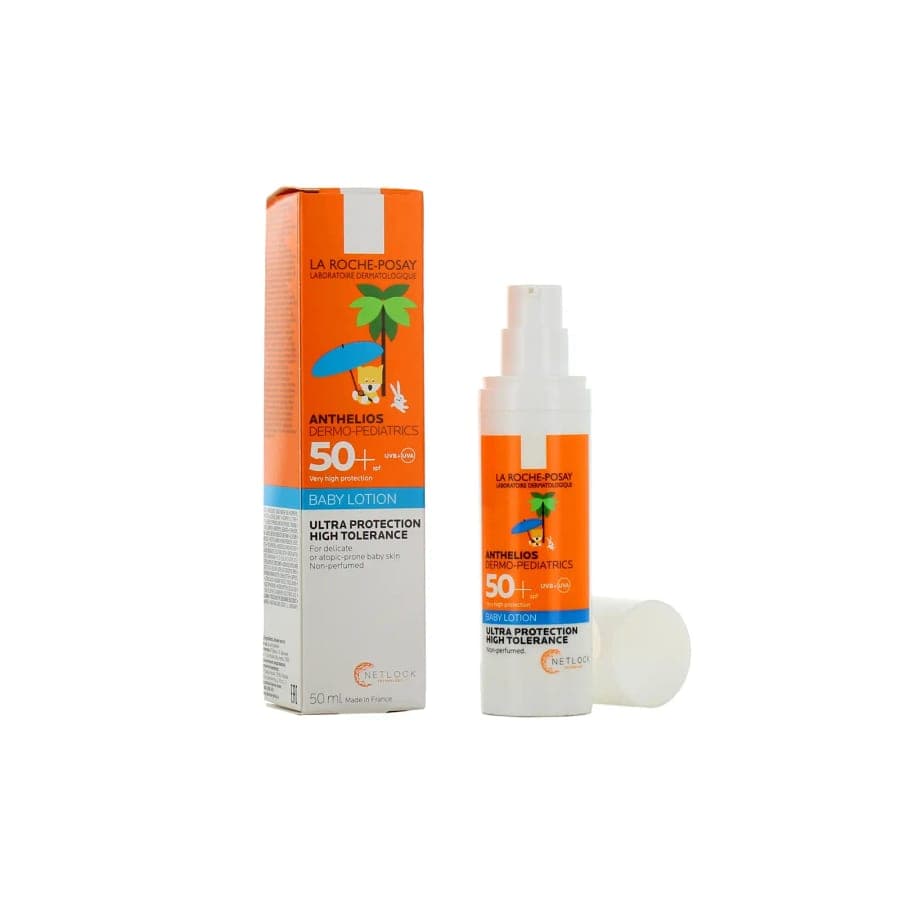
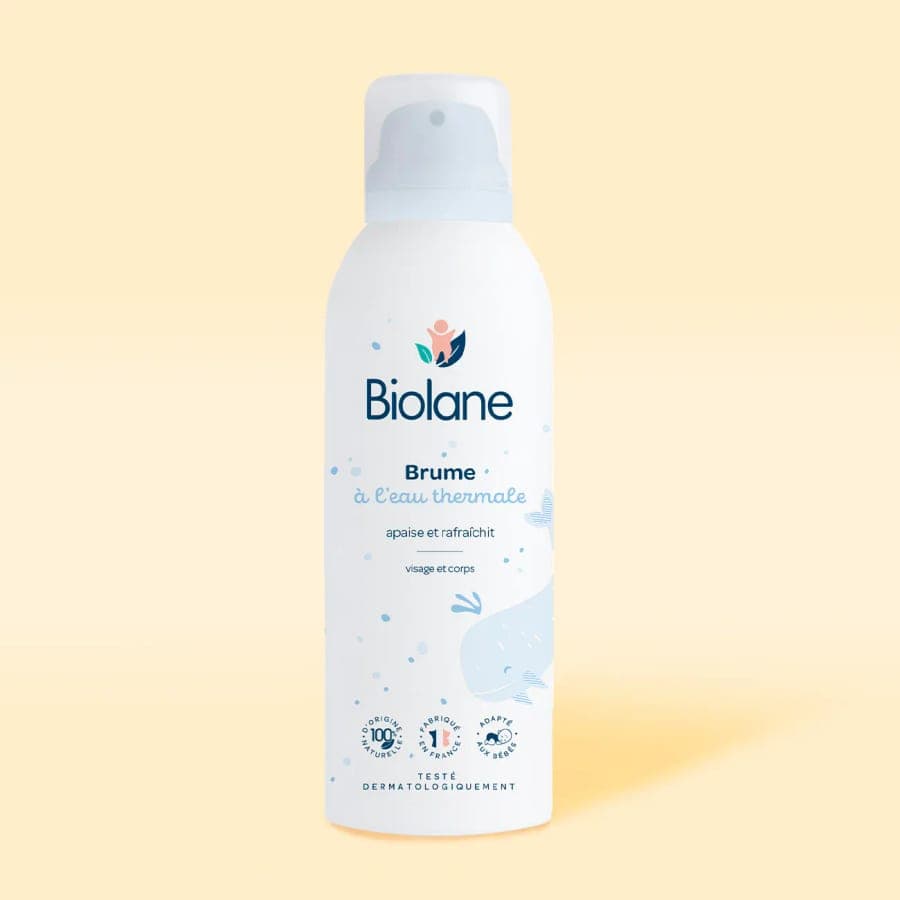
For bath time, a few products are enough. A baby bath or bath seat, two or three hooded towels or soft towels, cotton pads and a gentle baby wash. Choose simple formulas, ideally fragrance-free, and check the recommended age on the pack.
For changing, you need a changing mat, nappies in the size that matches your baby’s weight, and a nappy cream. For cord, eye or nose care, ask the maternity ward or your midwife before buying: habits vary and they will tell you what to use. A thermometer and baby nail clippers or round-tip scissors complete the kit.
- Don’t stock three months of size 1 nappies: babies can move up a size quickly
- Keep care products in the same place as the changing mat
- Opened hygiene products may not be returned: read the return conditions
Feeding: start with the minimum
Whether you breastfeed or not, there is no need to buy everything before the birth. For breastfeeding, a few bibs, cotton muslins that do a bit of everything, two nursing bras and a pillow if you like. A breast pump can wait until you know you really need one.
For bottle feeding, start with two or three bottles with age-appropriate teats, a bottle brush and something to sterilise them if you are advised to. Look at the material, the capacity, the teat flow and whether the bottle is dishwasher-safe. The choice of milk and the feeding rhythm are decided with your paediatrician.
The sleep space
A cot, crib or Moses basket, with a firm mattress that fits it exactly, and two or three fitted sheets: that is the basis. Thick bumpers, pillows, duvets and big soft toys look lovely, but they don’t belong in a newborn’s bed. For sleeping position and safe sleep habits, follow the advice of your midwife or paediatrician.
Before ordering a cot or crib, measure the space in the room and compare it with the dimensions the seller gives. Read the safety and assembly information on the product page too. A sleeping bag suited to the room temperature is a very good replacement for blankets.
What can wait, and gifts that help
High chair, playpen, baby walker, activity toys, shoes, clothes in 6 or 9 months: all of that can wait. You will know what you need once your baby is here and you see how they sleep, feed and grow. Tiny shoes, however cute, are no use before the first steps.
When family or friends ask what to give, point them towards things that really help: bodysuits and sleepsuits in 3 or 6 months, nappies in the next size up, muslins, a sleeping bag for the following season. A home-cooked meal or an afternoon of babysitting so you can rest is a wonderful gift too.
Buying for the season and ordering online
In Tunisia, the season changes everything. For a July or August baby, choose short-sleeved bodysuits in light cotton, thin muslins and a very light sleeping bag; ask your midwife or paediatrician how to dress your baby for the room temperature. For a winter baby, plan long sleeves, slightly thicker sleepsuits, socks and a hat. Think ahead to the size they will be next season too: a warm 0-3 month sleepsuit is no use to a baby born in May.
On 2MOISELLE, you can search the kids section, under baby, newborn and baby care, filter by store, price, size or colour, and save the pieces you like to favorites to build your list. Favorites and comparisons are stored on your device, and the deals page helps you spot products where the seller shows a price drop. 2MOISELLE sells nothing: you always order on the store’s own site.
Before paying, whether on a website, an Instagram page or a Facebook shop, check the exact size, the fabric, the delivery time and the exchange conditions. If the store offers cash on delivery, check the size and the state of the parcel when it arrives. And keep receipts and labels until you are sure you are keeping each piece.